Introduction
The Tasmanian tiger snake, scientifically referred to as Notechis scutatus, is just one of Australia's many appealing reptiles. Located mainly in Tasmania and its surrounding islands, this snake has actually amassed attention not just for its striking appearance yet also for its intricate habits and vital role in the community. snake bite symptoms This write-up will discover the various aspects of the Tasmanian tiger serpent's environment, actions, makeup, and interactions with people while providing vital details about precaution in case of a snake bite.
Whether you're a researcher, a wildlife enthusiast, or just a person interested about these remarkable animals, this thorough guide guarantees to provide insights that are both informative and appealing. So let's embark on this journey to understand the Tasmanian tiger snake better!
The Tasmanian Tiger Serpent: An Overview
Physical Characteristics of the Tasmanian Tiger Snake
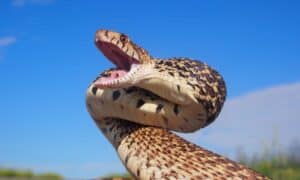
Tiger serpents are characterized by their distinct pigmentation and patterns. They normally display a mix of yellow or cream red stripes on a dark brown or black background-- hence the name "tiger." Adult tiger serpents can grow up to roughly 2.1 meters long, although a lot of people average around 1.5 meters.
Key Features:
- Coloration: Differs from dark brown to olive eco-friendly with lighter bands. Size: Adults usually vary from 1.2 to 2.1 meters. Head Forming: Clearly wide with prominent eyes.
Distribution and Habitat of the Tasmanian Tiger Snake
The Tasmanian tiger snake predominantly lives in coastal areas, wetlands, marshes, and grasslands in Tasmania. It prospers in atmospheres where it can quickly gain access to water resources because it is frequently found near streams or lakes.
Habitat Preferences:
- Wetlands: Perfect for searching prey like frogs and small mammals. Coastal Locations: Deals abundant food resources. Grasslands: Gives cover and basking spots.
Understanding Tiger Serpent Behavior
Feeding Behaviors of the Tasmanian Tiger Snake
Tiger snakes are carnivorous and opportunistic feeders. Their diet regimen is composed primarily of frogs, fish, small animals, and birds. They count on their eager vision and swift motions for hunting.
Dietary Malfunction:
copperhead- Frogs: A key part as a result of abundance in wetland habitats. Fish: Frequently caught when swimming in shallow waters. Small Creatures: Sometimes exploit rodents.
Breeding Actions of the Tasmanian Tiger Snake
Tiger serpents have a remarkable reproductive cycle. Mating generally happens in springtime after emerging from hibernation. Female tiger snakes bring to life live young as opposed to laying eggs, which is rather one-of-a-kind among reptiles.
Reproductive Cycle:
- Mating Season: Spring (September to November). Gestation Period: About 3 months. Litter Size: Varieties from 20 to 40 baby tiger snakes.
Aggression and Defense reaction of the Tasmanian Tiger Snake
Though they can be aggressive when intimidated, tiger serpents commonly favor to pull away as opposed to face danger straight. Their key defense mechanisms include biting when cornered or presenting their size with hissing.
Defensive Methods:
- Hissing Sound: A warning signal showing distress. Bite Action: A last resource when escape alternatives are limited.
Are Tiger Snakes Venomous? Comprehending Their Venom
Venom Make-up and Effects
Yes! The Tasmanian tiger serpent is venomous. Its venom consists of neurotoxins that can create severe injury or even fatality if left without treatment. The impacts of a bite can include paralysis, swelling at the bite website, queasiness, and various other systemic symptoms.
Venom Features:
- Neurotoxic Components: Impact nerves functioning. Hemotoxic Effects: Can result in cells damage.
Common Signs Adhering to a Tiger Serpent Bite
Recognizing signs and symptoms immediately is critical for reliable first aid monitoring after a snake bite:
- Severe pain at bite site Swelling Nausea or vomiting Difficulty breathing
First Help for Serpent Bites: What You Required to Know
Immediate Steps After a Tiger Snake Bite
In case you come across a scenario involving a tiger snake bite, it's crucial to act swiftly:

Creating Your Serpent Bite Emergency Treatment Kit
Having an adequately stocked emergency treatment kit can make all the distinction during emergency situations:|Product|Function|| ------|---------|| Compression bandage|To debilitate arm or leg|| Splint|To support hurt location|| Antiseptic wipes|For cleaning injuries|
FAQs About the Tasmanian Tiger Snake
What do infant tiger snakes eat?
Baby tiger snakes mainly prey on tiny bugs and amphibians till they grow large enough to search bigger victim like frogs or small fish.
How unsafe is a tiger serpent bite?
A tiger serpent bite can be extremely hazardous as a result of its potent venom; prompt clinical interest is necessary for survival.
Where are eastern tiger snakes found?
Eastern tiger snakes populate seaside areas throughout southeastern Australia yet are much less usual than their Tasmanian counterparts.
What ought to I do if I see a tiger snake?
Maintain your range; do not attempt to manage it unless you're educated to do so-- most bites happen throughout attempts at capture or mishandling.
Can I endure without antivenom after being bitten?
While some individuals may endure without antivenom depending upon various elements such as wellness problems and time considered treatment; looking for instant medical aid is constantly advised as it substantially Hop over to this website increases survival chances.
Are there any particular safety measures I should take while treking in Tasmania?
Always use sturdy boots, stay on marked trails, prevent tall turf where exposure may be restricted; acquaint yourself with local wildlife before heading out into nature!

Conclusion
The Tajamanian tiger snake represents a vital part of Australia's rich biodiversity landscape both environmentally as predators and culturally as icons within Australian folklore. Comprehending their environment choices in addition to behavior gives insight into just how we can coexist securely while respecting wild animals limits-- keeping in mind that awareness leads us in the direction of safer adventures outdoors!
By staying notified about potential threats such as envenomation from attacks while likewise taking preventive measures guarantees positive experiences when experiencing these remarkable animals!
In final thought, whether you're intrigued by their striking look or astounded by their complicated habits-- the Tasmanian tiger serpent certainly should have recognition beyond mere attraction-- it encapsulates nature's charm intertwined elaborately within our ecosystems!